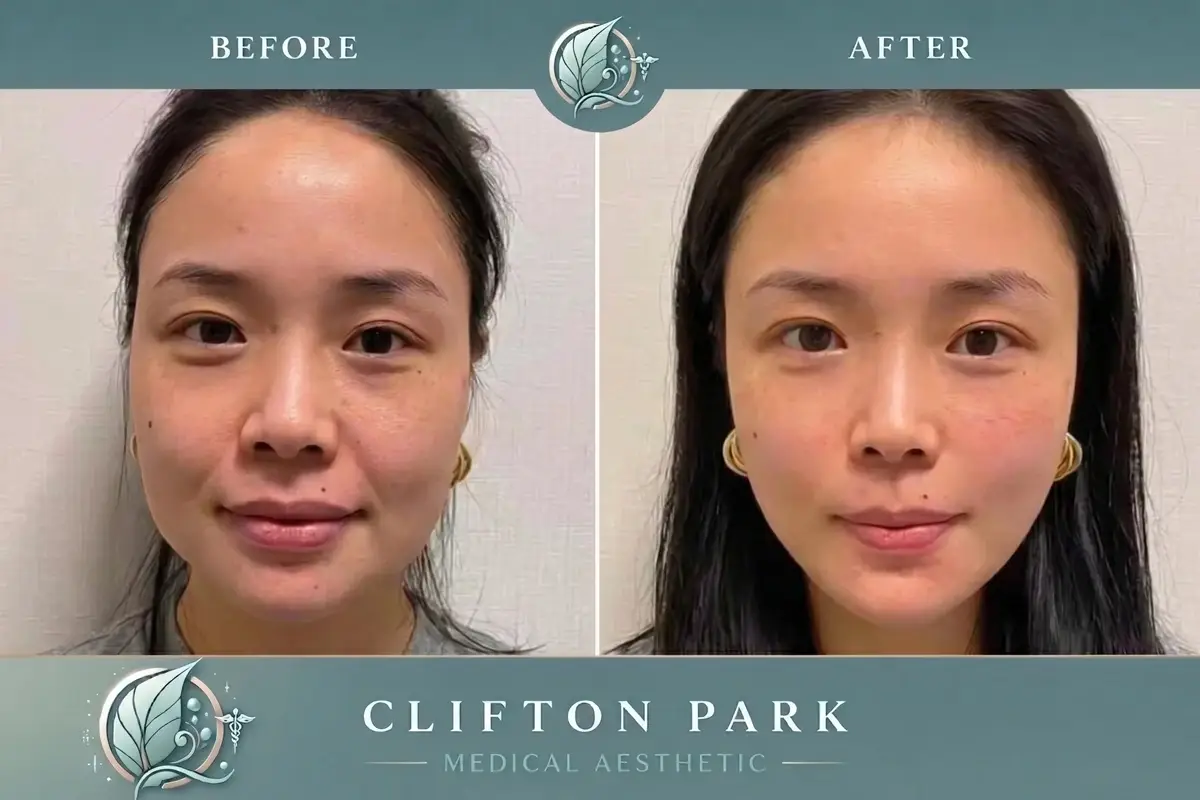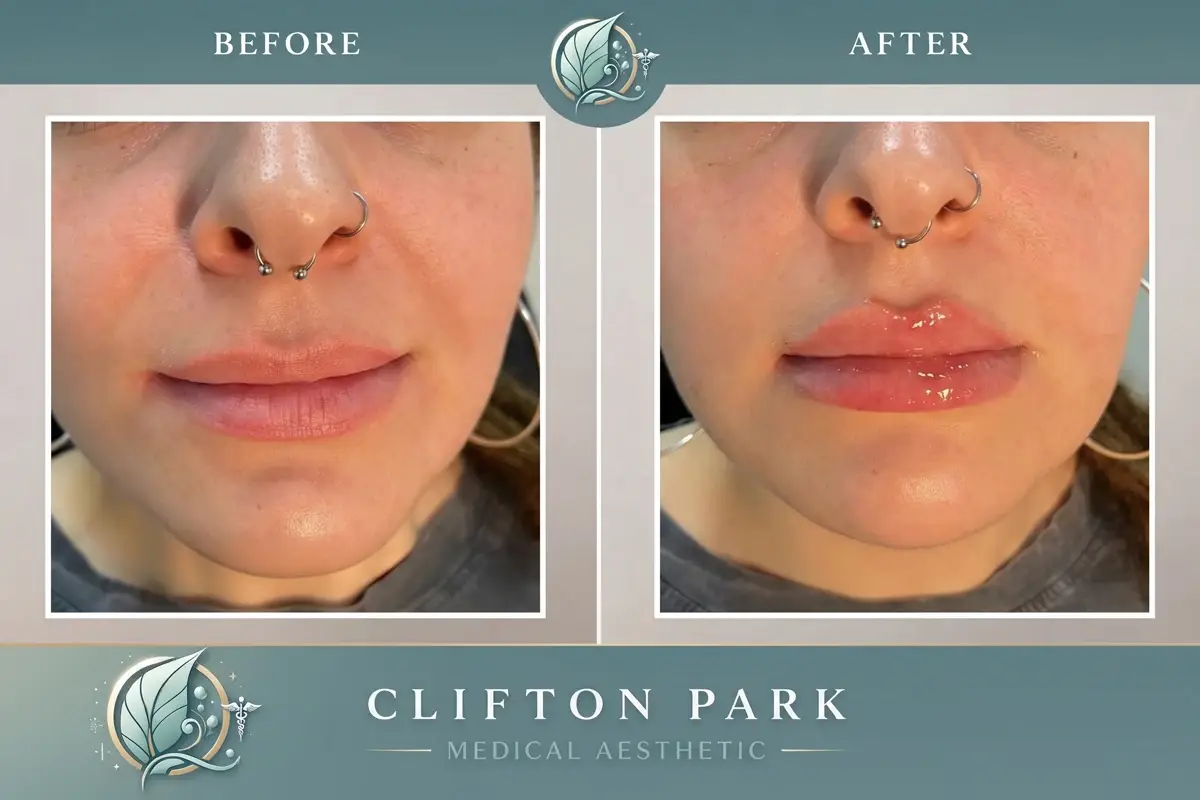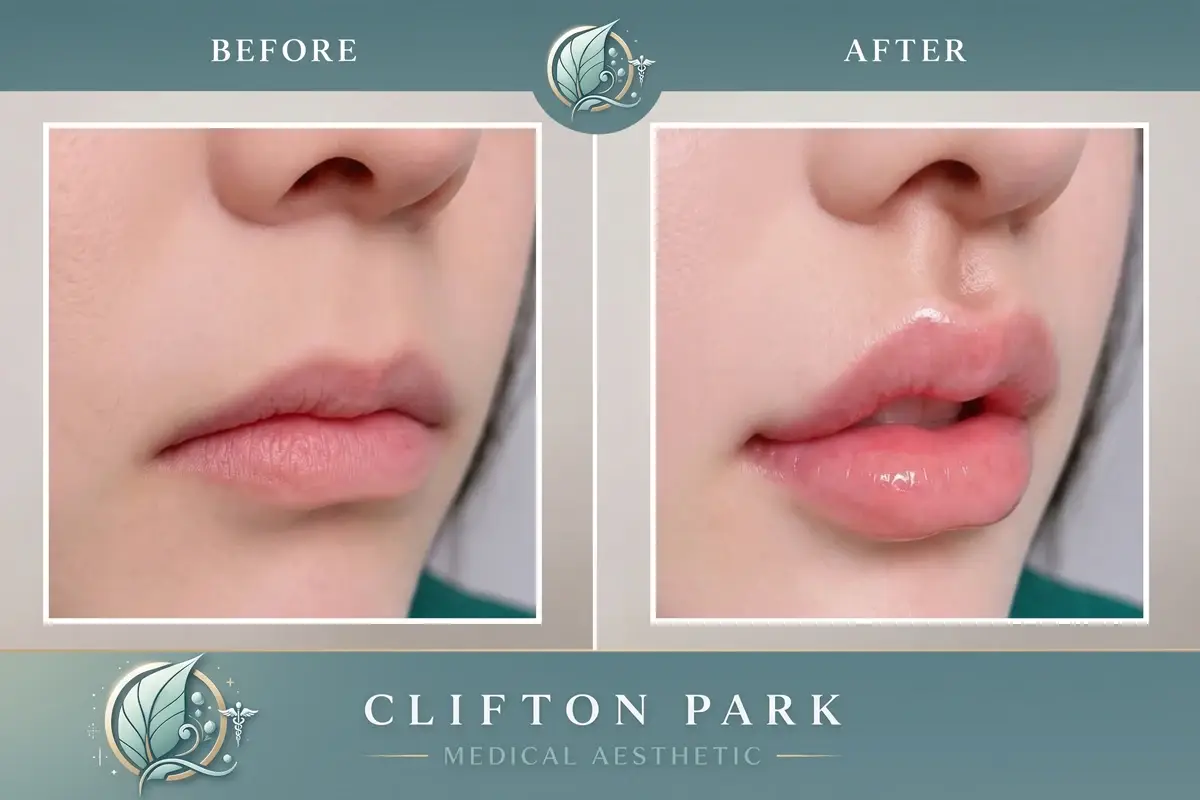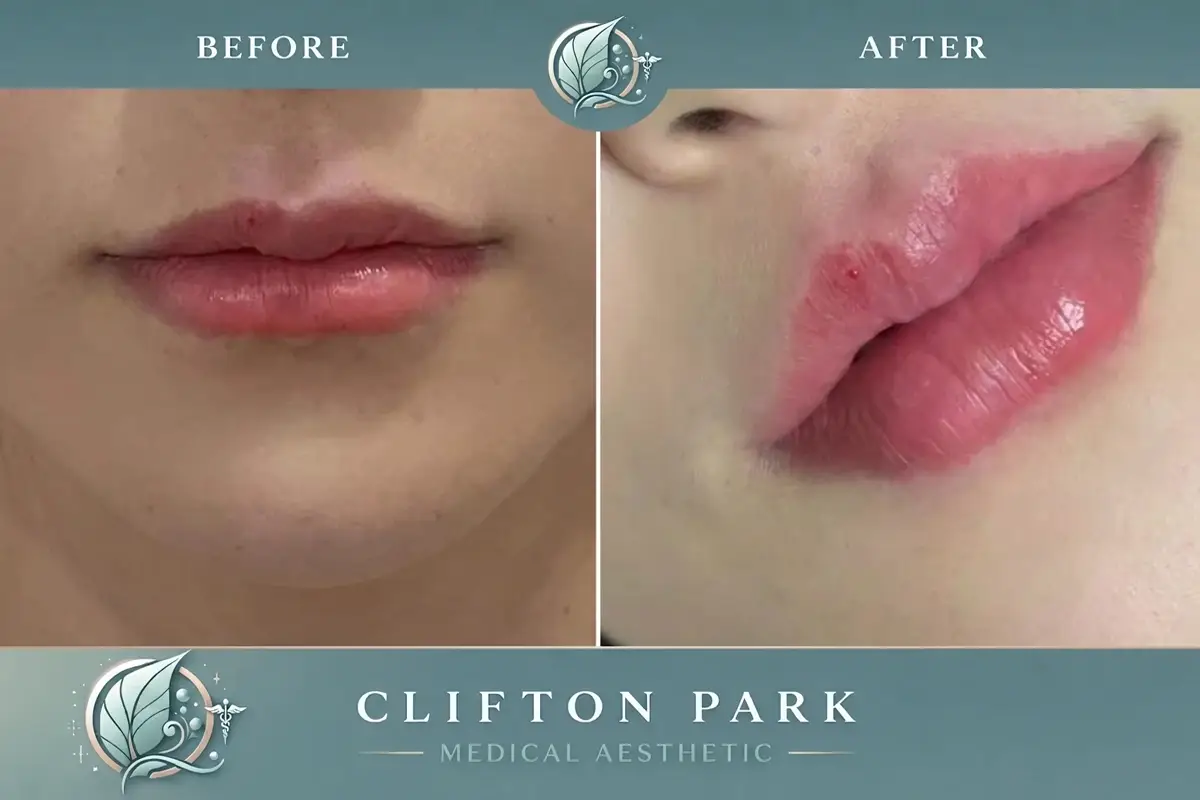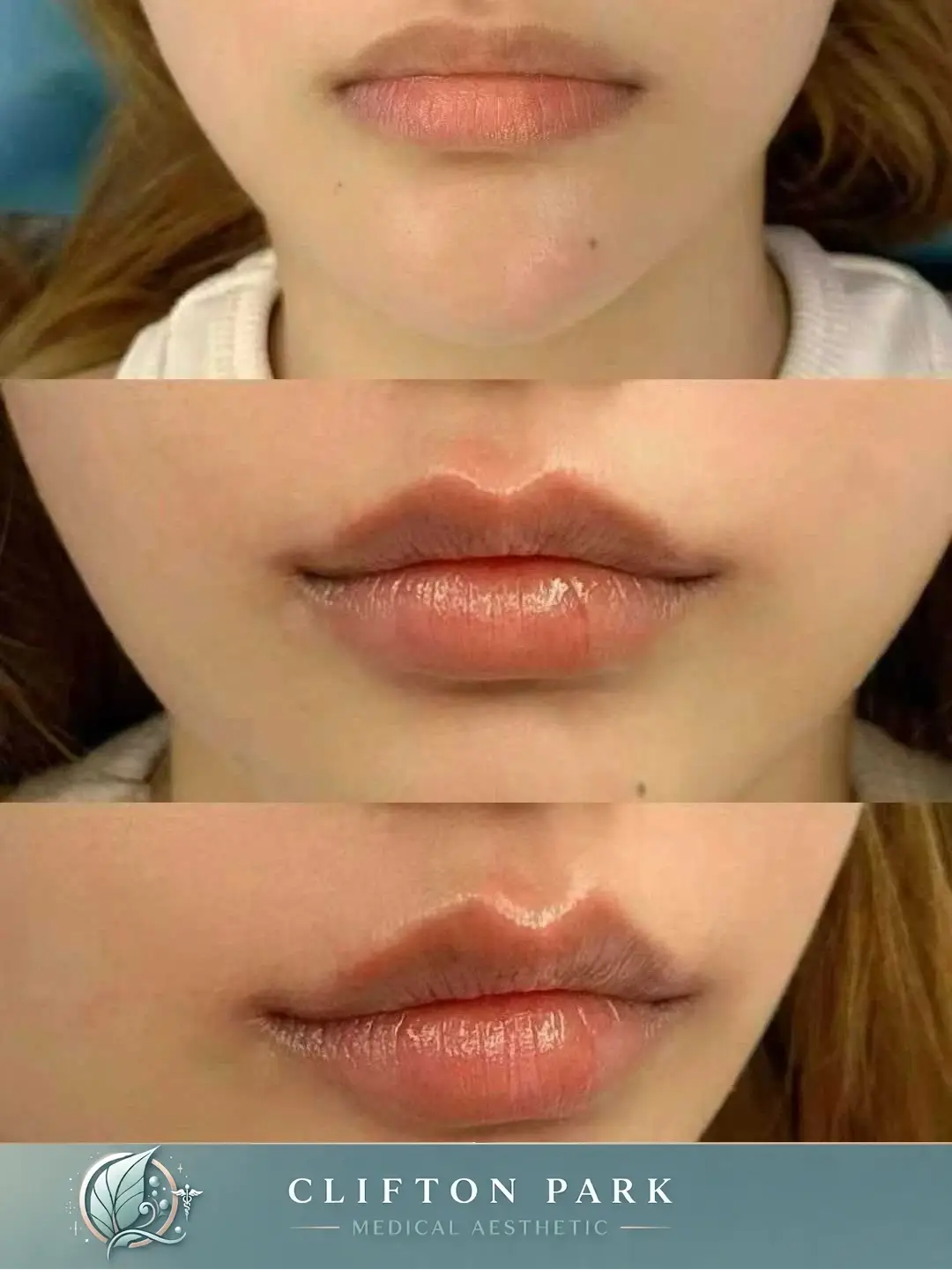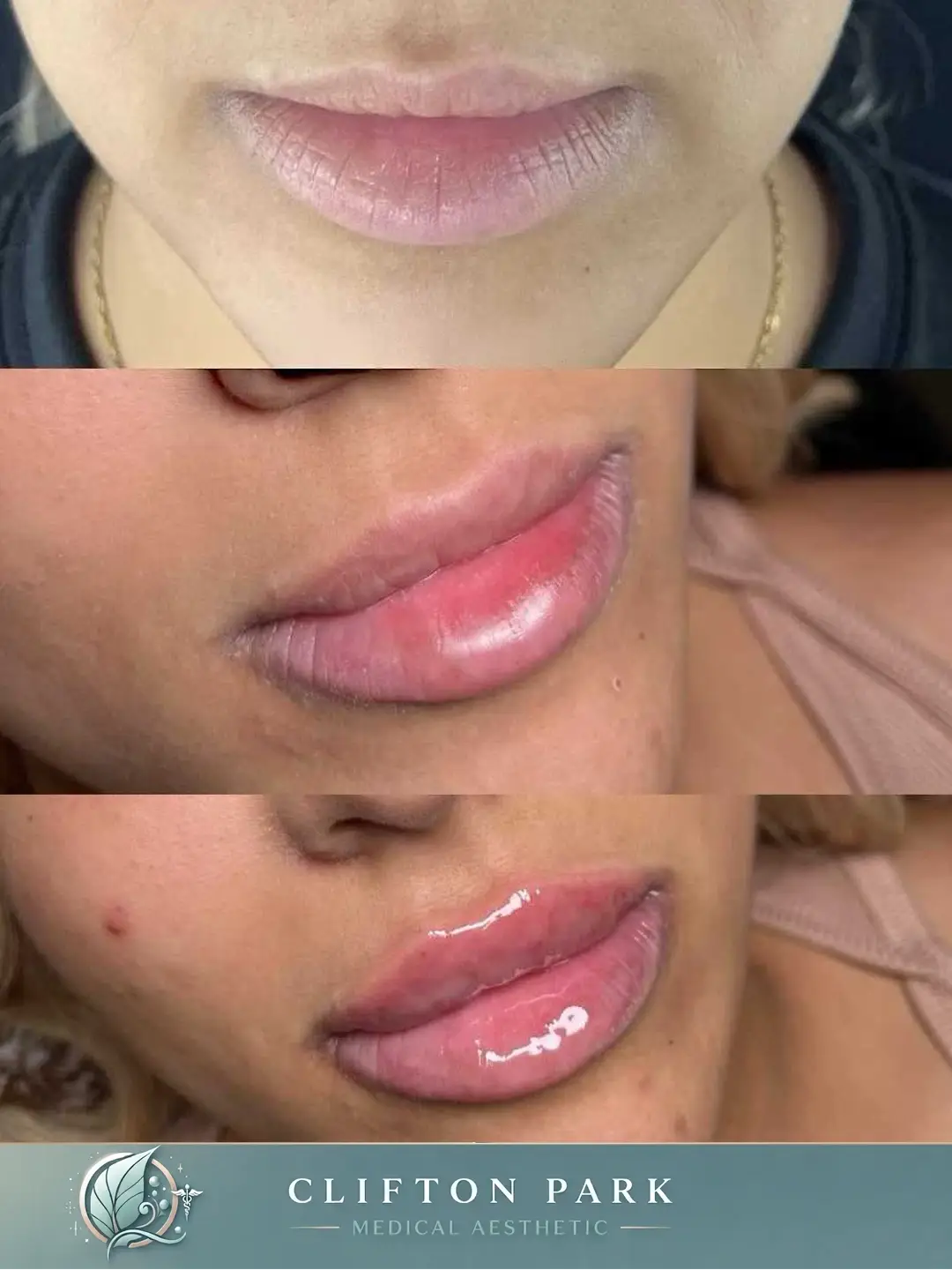

If you’ve started to notice your face looking a little flatter, more tired, or less defined than it used to, you’ve probably come across two names: dermal filler and Sculptra. Both are injectables. Both restore volume. But they work in very different ways, and choosing the right one (or the right combination) makes a big difference in how natural your results look.
Here’s a plain-English guide to how each one works, who each one suits, and why many of our patients in Clifton Park choose to do both.
Why Your Face Loses Volume
As we age, the skin gradually produces less collagen, the protein that keeps it firm and supported. At the same time, the fat pads in the cheeks and temples can thin out and shift. The result is hollowing under the eyes, flatter cheeks, deeper lines around the nose and mouth, and a jawline that looks less crisp.
Weight loss can speed this up. If you’ve lost weight recently and feel your face looks deflated, we’ve written more about volume loss after weight loss and how it can be treated.
There are two ways to bring that volume back: replace it directly, or help your skin rebuild its own support. That’s the difference between filler and Sculptra.
What Dermal Filler Does
Dermal fillers are smooth gels made from hyaluronic acid, a substance your skin already produces naturally. We use trusted brands such as Restylane and Juvederm. Filler is placed beneath the skin to add volume exactly where it’s needed.
- Results are visible right away. You leave your appointment already seeing the difference, with some swelling for the first few days.
- It’s precise. Filler is ideal for shaping specific areas such as the lips, cheeks, chin, jawline, under-eyes, and the lines around the nose and mouth.
- It lasts about 6 to 18 months, depending on the area and the product. Lips tend to fade faster because they move so often.
- The appointment is quick, usually 15 to 30 minutes, with numbing cream applied first for comfort.
Filler is a great choice when you want a defined, noticeable improvement in a specific spot, such as fuller lips or a sharper jawline.
What Sculptra Does
Sculptra works differently. Instead of filling a space directly, it’s a collagen stimulator. Its active ingredient, poly-L-lactic acid, encourages your skin to produce more of its own collagen over time.
- Results build gradually. You won’t see the full effect on day one. Improvement develops over several months as new collagen forms.
- It treats broader areas. Sculptra is suited to overall volume loss, such as the temples, cheeks, and the lower face, rather than one precise feature.
- Results can last up to two years, because the collagen it helps build is your own.
- Most patients need a series of sessions. Your provider will recommend a plan based on how much volume you’d like to restore.
Sculptra is a great choice if you’d like a gradual, subtle refresh that friends notice without being able to say exactly what changed.
Filler vs. Sculptra at a Glance
| Dermal Filler | Sculptra | |
|---|---|---|
| How it works | Adds volume directly with hyaluronic acid | Stimulates your own collagen production |
| When you see results | Right away | Gradually, over several months |
| How long it lasts | About 6 to 18 months | Up to two years |
| Best for | Lips, chin, jawline, under-eyes, specific lines | Overall volume loss in the cheeks, temples, lower face |
| Number of visits | Usually one | A series of sessions |
Why Many Patients Choose Both
Filler and Sculptra aren’t competitors. They solve two different parts of the same problem. Filler gives you immediate shape and definition where you want it most. Sculptra rebuilds the underlying support so your results look natural and last longer.
Used together, you get the best of both: a visible improvement right away, and a longer-term foundation that keeps building over the following months.
Through December 1, you can save $150 when you combine dermal filler and Sculptra in the same visit. Sculptra is $800 per vial. See all of our current offers for details.
Filler, Sculptra, or Botox?
It’s easy to mix these up. Botox relaxes the muscles that cause expression lines, like forehead lines and crow’s feet. It doesn’t add volume. Filler and Sculptra restore volume. Many patients use Botox alongside filler or Sculptra for a complete result, and your provider can help you decide what fits your goals.
What to Expect at Your Consultation
Every treatment at Clifton Park Medical Aesthetic starts with a complimentary consultation. Your provider will look at your facial structure, talk through your goals, and recommend filler, Sculptra, or a combination, along with how much product makes sense for you. You’ll know your exact cost before anything is done.
Want to see real results first? Browse our before-and-after gallery. Payment plans are also available through our financing partners.
Book your free consultation or call us at (518) 491-1765. We serve Clifton Park, Halfmoon, Malta, Latham, Saratoga Springs, and the greater Capital Region.
Have more questions first? Visit our FAQ page or call us directly at (518) 491-1765.
Frequently Asked Questions
What's the main difference between filler and Sculptra?
Filler adds volume directly and shows results right away. Sculptra stimulates your skin to produce its own collagen, so results build gradually over several months and can last up to two years.
Which lasts longer, filler or Sculptra?
Sculptra results can last up to two years. Hyaluronic acid filler typically lasts about 6 to 18 months, depending on the treatment area and product.
Can I get filler and Sculptra at the same appointment?
Yes. Many patients combine them in one visit, and through December 1 you can save $150 when you do.
How much does Sculptra cost in Clifton Park?
Sculptra is $800 per vial at our practice. The number of vials you need depends on your goals, and we’ll confirm your exact cost at your free consultation.
Is Sculptra good for volume loss after weight loss?
Sculptra is often used for overall facial volume loss, including after weight loss. Your provider will assess whether it’s the right fit for you, on its own or with filler.
Do filler injections hurt?
A topical numbing cream is applied before injection, and most fillers also contain lidocaine to reduce discomfort. Most patients describe it as mild pressure rather than pain.